The finest range of gardening and outdoor leisure goods, GoneGardening YellowPetal, Same day fresh flowers for all occassions.
 
   
Information
 
Journal

Tasks

Tips

Library

Glossary

Contact us


Gardening for Disabled People - Therapeutic Horticulture - Part 1


Therapeutic Horticulture - Part 1 

People with disabilities who really enjoy gardening find it an exciting pastime that can take as much or as little time as you wish. The work can be tailored to the disability. Being disabled does not restrict a persons ability to be successful in attaining good results. When a person finds that they are restricted in many ways through their disability one has the chance to look at plants in a different light to appreciate the way thy can help in a healing way not just medically, but therapeutically.
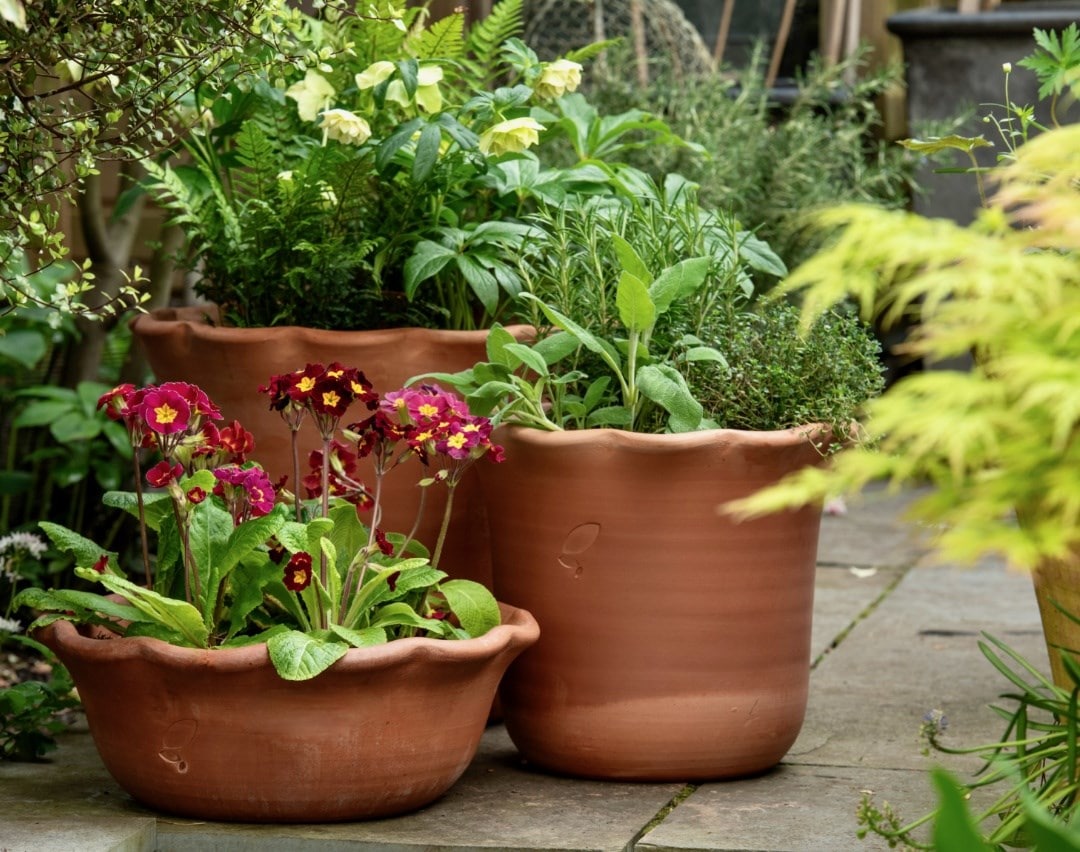
Learning to appreciate, scent, texture, colour, size and shape are just a few of their qualities. We all know that life without plants would not exist for us as we know it. Their versatility enables them to exist in mountains, deserts and oceans and in many inhospitable parts of our world.

Whatever your disability, we feel that we can find some aspect of horticulture which you will find interesting, absorbing and enjoyable. But above all, therapeutic.

Looking at plants from a therapeutic point of view we can see we have a large variety to choose from.

Some people are content to devote all their time to one particular plant. Fuchsias are very popular. There are approximately 100 species with more than 8,000 hybrids/cultivars.

Being able to successfully propagate new plants whether from sowing seed or taking cuttings can be immensely rewarding.

Looking at plants from the point of view of people with disabilities their versatility enables them to adapt to the conditions we wish to place on them i.e. they can be grown for containers, baskets, pots and raised beds.

There are various tools available for the disabled (so this is no longer an excuse not to become involved).

The basic botany of plants can be completely absorbing - the shape, colour, variety of the flowers and leaves. Plants that are grown for medicinal or culinary purposes. Many of our herbs, the scent and the texture, the variation in leaf colours some containing as many as three variations.

One can study the history of plants, learn their Latin names, the families that they belong to. But to most people, growing vegetables for eating and sharing with ones friends, growing and picking your own fruit, appreciating the scent and colour of the flowers and the wildlife that they attract.

No one can put a price on these things. The enjoyment and satisfaction. This truly is therapeutic.

In later articles we shall be reviewing several projects where groups are actively persuing gardening as a means of pleasure and rewarding productivity. There may be things that we can learn from you enabling us to grow and learn together.


Planning a garden for wheelchair access

Raised beds

Therapeutic Horticulture - Part 3 (A Quality of Life)

Therapeutic Horticulture - Part 2 (A Living Example)

Therapeutic Horticulture - Part 1


Copyright 1999-2007, Crocus.co.uk Limited.
GoneGardening is a trading name of Crocus.co.uk Limited
For delivery to the United Kingdom mainland only.
Security guarantee : Online Privacy Practices : Terms and conditions of sale : About us